
Case study · Dijitally x Afterpay · ANZ, US, UK
Afterpay’s new B2B site
Designing Afterpay’s new B2B website, its go-to-market surface in every international market, with AI workflows I built to go from strategy to UI.
- The customer
- Businesses considering Afterpay, from small businesses to large enterprise and platform partners
- Team
- Afterpay’s global B2B team, and me as lead UX and product designer
- Skills
The problem
Afterpay needed a new B2B website for every international market, with many page types for different businesses, all built consistently from one design system.
How I solved it
- 01Started every page from strategy: module intent cards tied to the business segment each page serves, before any layout.
- 02Built an AI workflow in Figma that turns that strategy and approved components into wireframes, so pages start from real modules, not blank frames.
- 03Reworked the wireframes myself, then ran a review workflow that compares my version with the AI’s and folds each lesson back in, so the same correction isn’t needed twice.
- 04Converted approved wireframes into high-fidelity UI from the Afterpay B2B Design Library’s production components, including locale and mobile versions.
Outcome
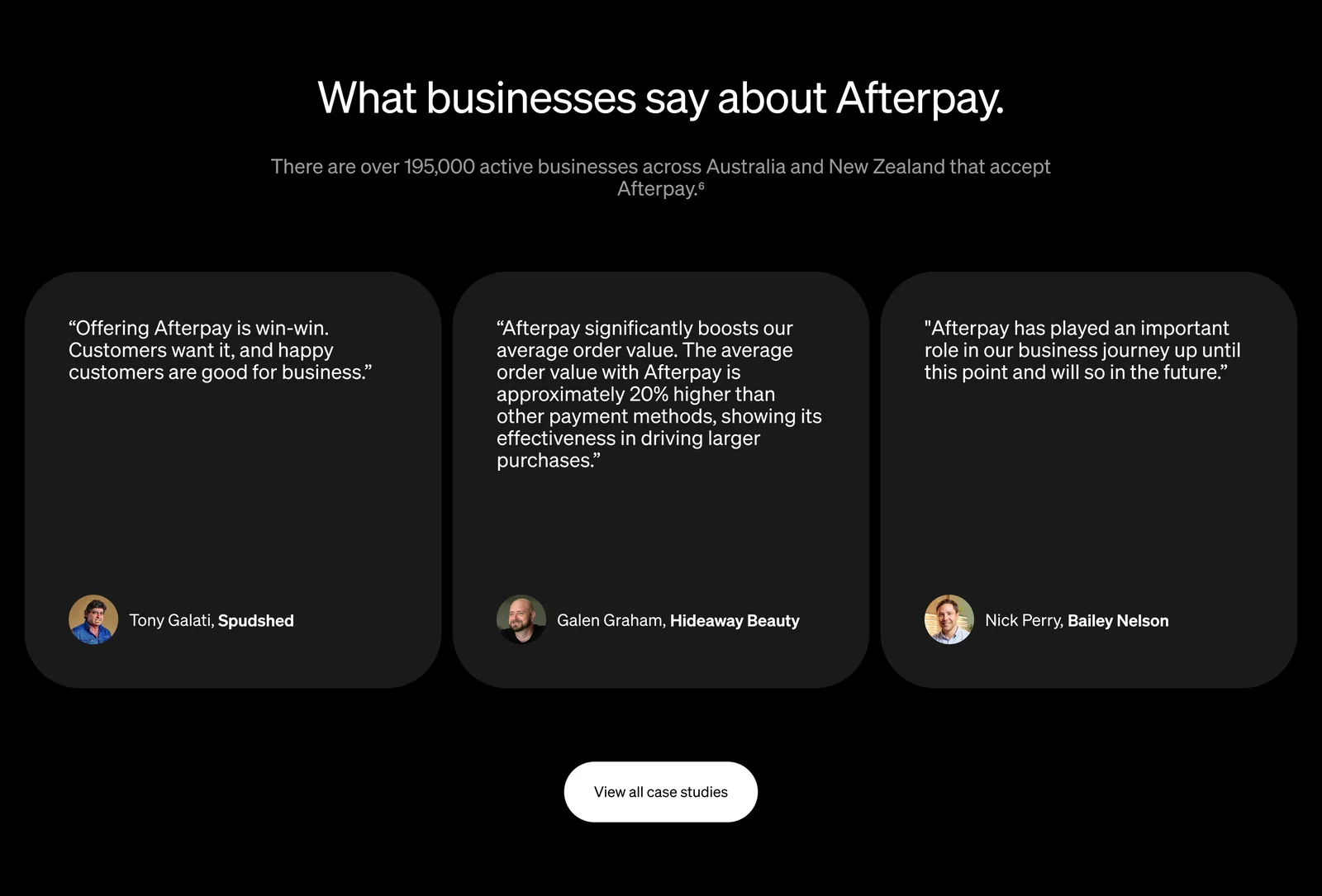
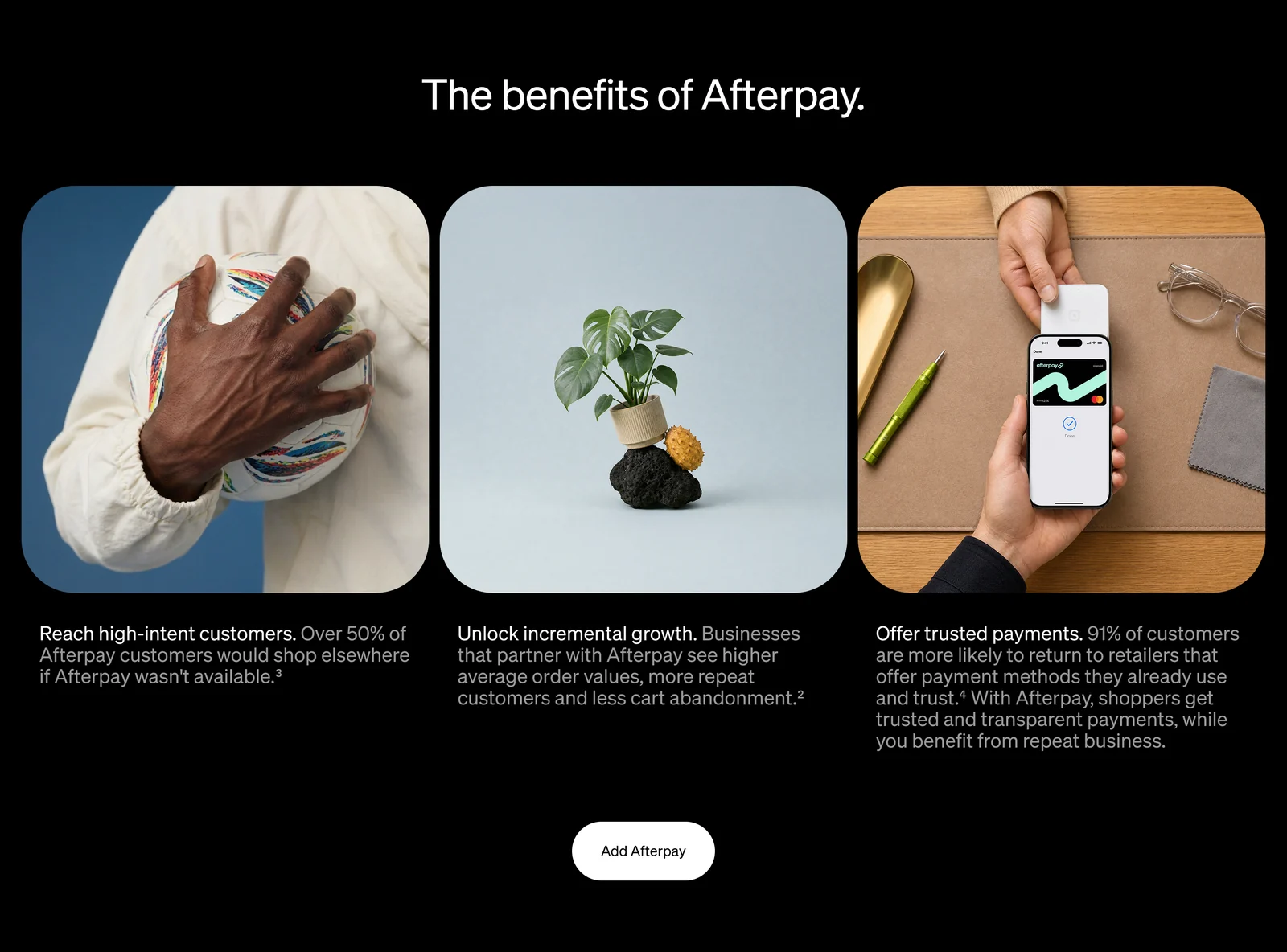
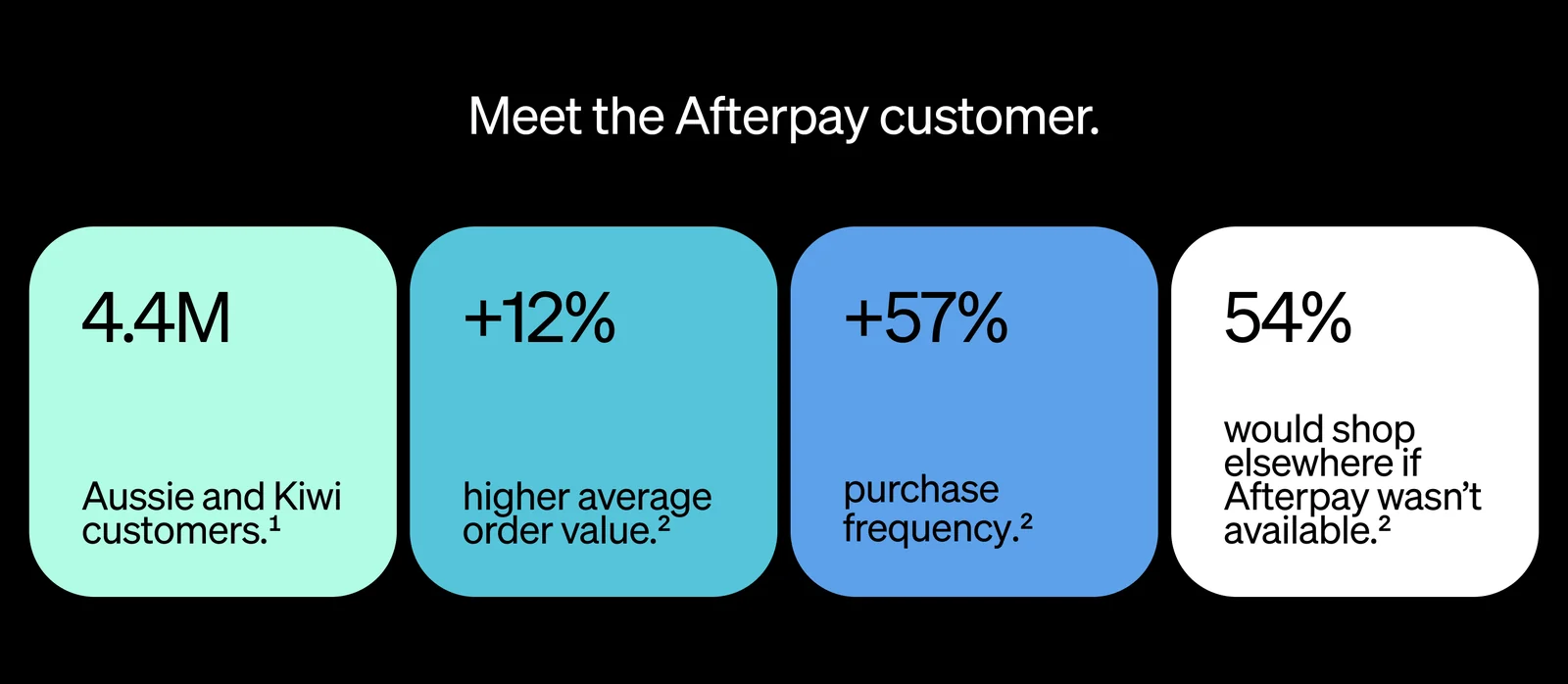
Pages across the site, from homepages for ANZ, the US and the UK to product, industry, partner and support pages, all on one skeleton and one design system.
Inside the work
-
Strategy: module intent cards for the page’s business segment
-
Wireframes built from approved components by my Figma AI workflow
-
I rework the wireframes
-
Review: my version is compared with the AI’s, and the lesson goes back into the workflow
-
UI built from the Design Library’s production components
What I learned
The value wasn’t in generating wireframes, it was in feeding my corrections back in, so each build started from my preferences instead of repeating a mistake.